It was a wonderful experience, one I’ll never forget. The staff were extremely friendly, to say the least, and the food was out of this world. The mix of Asian and Japanese flavours will blow your tastebuds away to heaven. One of my favourite dishes of the night was the foie gras. The duck liver will melt in your mouth, flavours unstoppably seeping in. It was then combined with outstanding rice and bean curd skin, it fits perfectly. The fusion of taste don’t just add up to each other, they multiply each other and increase the already amazing tastiness. It was so good we had to order another plate. Next came the pork knuckles. We ordered both flavours, the vinegar and the garlic. Both were remarkable, but the garlic one was truly magnificent. Considering I’m not a huge fan of cilantro, it fitted surprisingly well with the extraordinary texture. The dessert was also exceptional. The cheesecake was a mixture of New York style and Japanese style, a soft crumbly exterior and a gooey interior. It wasn’t too sweet, but hit the spot. This spot is a must try, truly ground breaking. I am amazed and do recommend it for everyone.
Overview
Walking into Hakata Tonton for the first time felt like stumbling into a cozy corner of Fukuoka right in the middle of Manhattan’s Chinatown. The restaurant sits at 43 Mott St, New York, NY 10013, United States, and the location alone already sets expectations high-this is an area where diners are picky, well-fed, and not easily impressed. From my own visits and countless conversations with regulars squeezed onto the wooden benches, this spot has earned its reputation the honest way: by serving food that keeps people coming back.
The menu leans heavily into pork-focused Japanese comfort food, a style closely associated with the Hakata region of Japan. One of the cooks once explained to me how they prepare their signature dishes using slow-cooking methods that render pork belly tender without losing structure. That attention to technique shows up immediately when you try the motsunabe, a hot pot traditionally made with beef or pork offal. According to the Japanese Ministry of Agriculture, this dish gained nationwide popularity in the early 2000s due to its balance of protein, collagen, and vegetables, and Hakata-style versions are still considered the benchmark. Here, the broth is clean, rich, and deeply savory without being overwhelming.
On a quieter weekday evening, I watched a nearby table order what the server confidently described as must order pork belly skewers, and they weren’t exaggerating. Each skewer arrived lightly charred, seasoned just enough to let the meat speak for itself. This matches what many online reviews highlight: consistency. Whether it’s your first visit or your tenth, the kitchen delivers the same results. That kind of reliability is something restaurant consultants like Danny Meyer often point to as a defining trait of long-lasting dining spots, especially in competitive cities like New York.
Another standout process worth mentioning is how the kitchen handles ramen-style broths, even though ramen isn’t the primary focus. Tonkotsu-based soups require hours of simmering pork bones at controlled temperatures. Food science research published by the Journal of Culinary Science & Technology notes that emulsification during long boiling creates the creamy texture tonkotsu is known for. You can taste that knowledge here, even in side soups served alongside rice bowls.
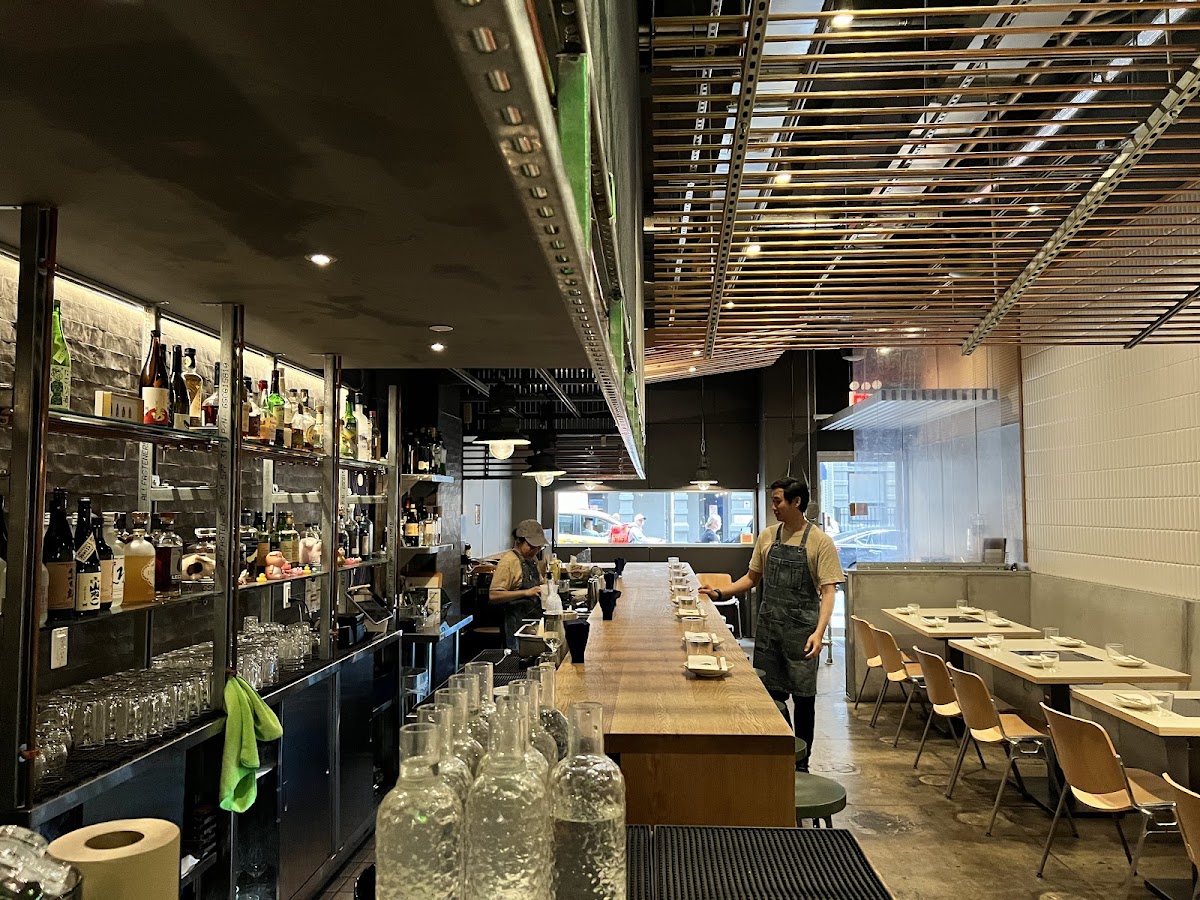
The dining room itself is casual and energetic, with an open-kitchen feel that builds trust. You see the food being prepared, hear orders called out, and smell grilled meat constantly hitting hot surfaces. That transparency matters. According to the National Restaurant Association, customers consistently rate cleanliness and visible food prep as top trust factors when choosing where to eat.
Service tends to be brisk but friendly, which fits the diner-style rhythm. During one visit, I asked about portion sizes, and the server gave an honest answer instead of overselling. That kind of straightforwardness is probably why reviews often describe the experience as no frills but deeply satisfying. There are limitations, of course. Seating can feel tight during peak hours, and the menu doesn’t cater much to strict vegetarians. Still, those gaps are easy to spot upfront and don’t feel hidden or misleading.
What really ties the experience together is how the restaurant balances tradition with accessibility. You don’t need deep knowledge of Japanese cuisine to enjoy yourself, yet the flavors stay true to their roots. Culinary historians like Eric Rath often stress that food culture survives best when it adapts without diluting its identity, and this place feels like a living example of that idea.
Between the thoughtful menu, the well-chosen location, and a steady stream of loyal diners, it’s easy to see why this spot holds its ground in New York’s ever-changing food scene. Every visit feels grounded, familiar, and rewarding in a way that only a well-run neighborhood restaurant can pull off.
Good to know
Service options
✓ Delivery ✓ Takeaway ✓ Dine-inHighlights
✓ Fast servicePopular for
✓ Dinner ✓ Solo diningAccessibility
✓ Wheelchair-accessible entrance ✓ Wheelchair-accessible seating ✓ Wheelchair-accessible toilet ✓ Wheelchair-accessible car parkOfferings
✓ Alcohol ✓ Beer ✓ Cocktails ✓ Comfort food ✓ Late-night food ✓ Small plates ✓ WineDining options
✓ Dinner ✓ Dessert ✓ Seating ✓ Table serviceAmenities
✓ Bar on site ✓ Gender-neutral toilets ✓ ToiletAtmosphere
✓ Casual ✓ Cosy ✓ TrendyCrowd
✓ Family friendly ✓ LGBTQ+ friendly ✓ Transgender safe spacePlanning
✓ Accepts reservationsPayments
✓ Credit cards ✓ Debit cards ✓ NFC mobile payments ✓ Credit cardsChildren
✓ Good for kids ✓ High chairsParking
✓ Paid street parking ✓ ParkingPhotos
Location
Reviews
We stumbled upon this fantastic Japanese-owned restaurant in the heart of Chinatown and were thrilled to discover it. We decided to dine there for a late dinner on Monday at 8 PM, and the restaurant was packed with people, every table occupied. We started with some delicious appetizers, drinks, and hot pot. The service was impeccable, and we couldn’t resist trying the desserts. We left with happy tummies and full bellies. We spent approximately $70-80 per person, but it was absolutely worth it. We can’t wait to return soon!
This a hidden gem (believe it or not in Chinatown) a Japanese restaurant found is by far THE BEST discovery after the pandemic. The food is beautifully presented & dishes are delicious. Price is more than reasonable compared to Soho, midtown, or uptown. Service is also attentive, polite & prompt. Can’t ask for more these days with the burden of food cost, sales taxes , & 20%+ service charge, eating out is no longer fun & affordable + frequently deal w/ nasty food. I would like to give this new food establishment 6 STARS.
Short review- order the goma, kani, wagyu, tonsoku. Nabe/hot pot is alright. I went here a while with a group. The first thing that arrived was probably my favorite bite of the night which was the Goma Hamachi for $20 with baby yellowtail with scallion, seaweed, and sesame sauce which is poured table side. The hamachi was excellent quality being buttery with a soft texture and the nutty sesame sauce (said goma) worked nicely with it. This was excellent and I would recommend it heavily. Also very tasty was the Kani Harumaki for $14 with a blend of snow crab, pork, mushroom, and vegetables served with spring roll skin which came with a light soy based dipping sauce. There was a bit of sweetness, a bit of earthiness, and some richness and it all fit well with the crispy skin. This was very good as well and was decently portioned for the price point. Also very tasty was the Wagyu Yakiniku Wrap for $18 with BBQ washu beef with lettuce, pickled vegetables, and mayo wrapped in a scallion pancake. This was perhaps a bit messy due to the mayo as well as the sweet sauce especially when paired with the slightly oily pancake but the flavor was excellent. The beef quality was high and it had some sweetness to it but not too much so and the pickled vegetables added a nice crunch. The Tonsoku Ponzu for $13 with grilled pork feet with scallion and ponzu sauce is one of their signatures that you can't really find in many other Japanese spots. The dish of course has a lot of collagen so it's rich and fatty but the ponzu helps cut down the richness of the pork. There was also a Japanese hot sauce on the table which helped as well. This was also good though I would recommend more compared to other small plates to share. The Kara Age for $9 consisting of Japanese fried chicken with mala mayo was pretty standard outside of the price point being relatively cheaper for the portion size compared to most other places. The chicken was pretty tender though I have had much crispier versions before but I can't complain with the light batter and the amount of chicken given. Though the color was different, the mayo also didn't exactly have any type of mala seasoning either but it still worked with the chicken. The Koji Ebi Chili for $20 consisting of shrimp with sweet chili over egg omelette was pretty standard western Japanese/Yoshoku style comfort food. There was plenty of shrimp/ebi in there and the sweet chili was standard. I wish the egg was a bit fluffier but that is only a minor fault in an otherwise standard tasty dish. Last was our large main to share which was the Tonton Hotpot (or nabe) which is $68 for the large or $38 for the small and we got the large one which was large and fine. This came with pork feet, chicken thigh, pork belly, dumplings, tofu, vegetables, and your choice of soup where we got the spicy miso tonsoku soup. The primary meat in there was the tonsoku/pork feet with there being some thigh and a little bit of dumplings and pork belly. Outside of the size which is easily big enough for four people as it should be for the price point, it's hard not to compare it unfavorably to some other nabe spots such as Kimura or even some other recent ones such the izakaya Toriya on the LES which both had much better broths, a little more variety in terms of vegetables, and was not focused on one meat in particular. Possibly the motsu/intestine pot is better here but I would recommend sticking with their other dishes instead. This place is tasty with plenty of highlights and a worthy successor to the original excellent izakaya.
The food was delicious. I ordered the small tonton pot and the portion was enough for two. The fried oysters were delicious and came with a delicious sauce (I think it was mentaiko egg mayo but not 100% sure). The pork in the hot pot was so soft and delicious, and the dessert was a perfect not-too-sweetness. The service was also excellent. We had the pleasure of interacting with multiple staff members and they were all extremely friendly and welcoming.
food is just as good as the old days. service is still exceptional. i love Tonton hotpot with Red Miso. Good to know this place is still running. been visiting this place since 10 years ago in West Village.
Delicious Japanese food! I went here with some friends and we got a bunch of "street food" type of dishes and they were all really enjoyable. The beef garlic fried rice was really tasty, so was the okonomoyaki. We also got the wagyu yakiniku wrap which was pretty unique. It tasted good but it reminded me strangely of a big mac. Not in a bad way! Prices were a little high for Chinatown but about standard for this kind of Japanese food. I was pleasantly surprised, I would definitely be back!
I've been to all three hakata tonton locations. I feel like they recoup their flavor and way of doing things, similar to their original location before covid. Service was great! Can't wait to go again soon.